Padel in the UAE 2026: Why Dubai and Abu Dhabi Lead the Middle East
Padel has become one of the fastest-growing sports in the UAE. Where the courts are, why Dubai leads, what to expect on pricing and seasonality, and how to actually book a slot.
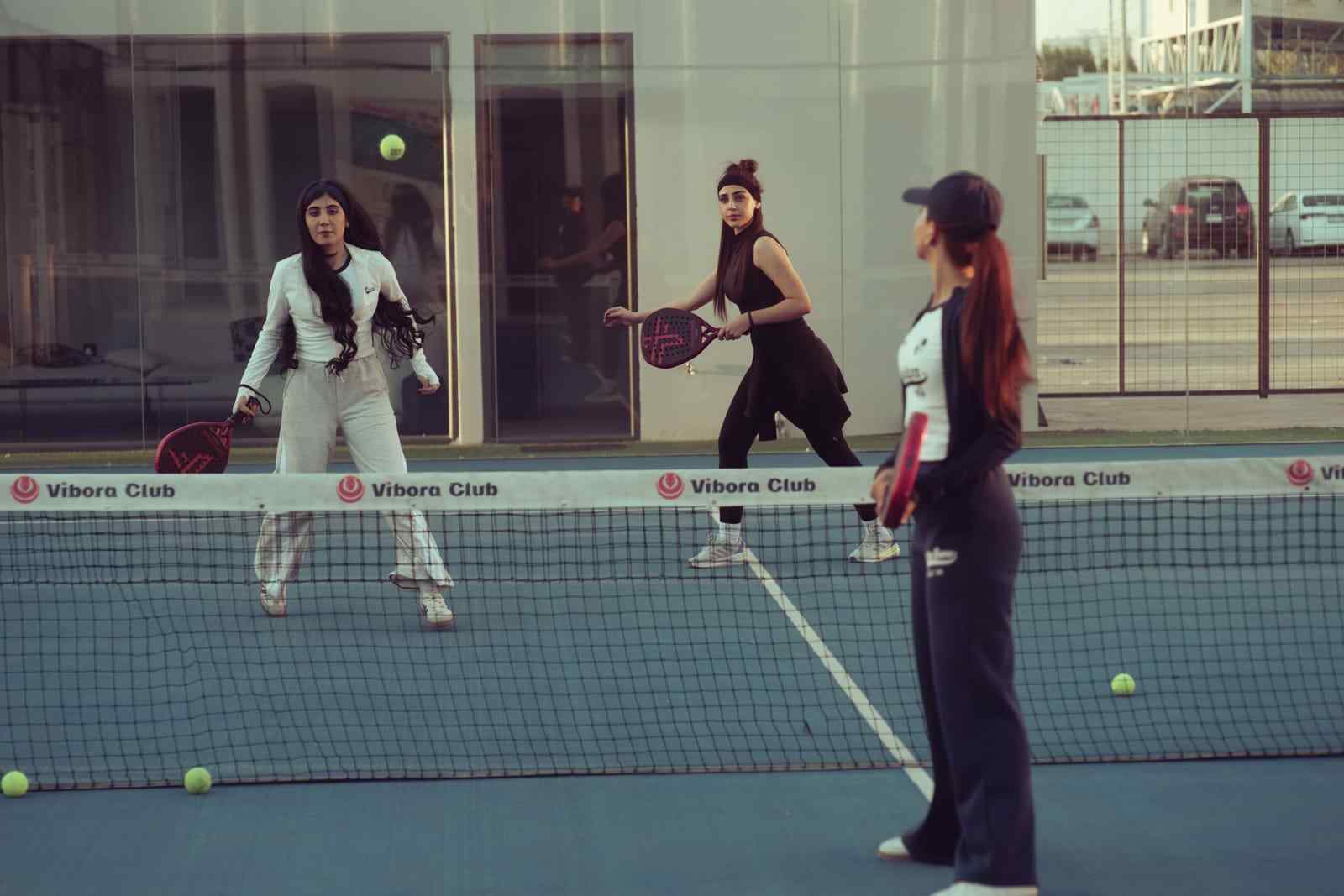
Padel in the UAE 2026: Why Dubai and Abu Dhabi Lead the Middle East
The UAE has built the largest padel scene in the Middle East. From a handful of dedicated courts a few years ago, the country now hosts a substantial network of venues across Dubai's Marina, Al Quoz, DIFC and Business Bay districts and Abu Dhabi's NAS Sports Complex, Zayed Sports City, Yas Island and Saadiyat areas. Established expat communities, Emirati national players, sustained private investment, and the pull of Premier Padel events held in the UAE have produced a scene that feels closer to European padel cities than to any other Middle East market. This guide explains where the courts are, why Dubai leads, what pricing and seasonality to expect, and how to actually secure a slot at peak times.
In short
- The UAE leads the Middle East padel market, with Dubai well ahead of Abu Dhabi in both venue density and cultural visibility
- Pricing in Dubai sits at AED 150-600/court/hour, Abu Dhabi at AED 150-450/hour (split among four players, that's AED 40-150 per person)
- The climate calendar dominates everything: outdoor October-April, indoor essential May-September
- Prime-time slots (weekday 6pm-10pm, Friday-Saturday mornings) book out within minutes of the Playtomic window opening
- Padel Snipe automates the booking the moment the window opens on UAE Playtomic clubs
Why the UAE became a padel powerhouse
Three structural factors explain the UAE's rapid emergence as a padel capital outside Spain and Latin America.
A pre-formed player base. UAE expat communities (British, French, Spanish, Argentine, Italian, Egyptian, Lebanese) arrived already familiar with padel from their home countries. Spanish and Argentine residents in particular brought decades of cultural attachment to the sport. When dedicated padel infrastructure started opening in the early 2020s, the demand was already there waiting. This contrasts sharply with markets like the United States, where the sport had to build cultural awareness from near-zero.
Capital investment in dedicated venues. Unlike many emerging padel markets where the sport gets squeezed into existing tennis facilities, the UAE has seen significant investment in standalone padel-only venues: Padel House at the Marina, Padel Pro in Al Quoz, ISD Padel at Sports City, alongside major expansions at multi-sport complexes. Year-round indoor air-conditioning is treated as table stakes, which matters enormously given the climate.
Premier Padel and the cultural anchor. Hosting Premier Padel events in the UAE has accelerated the sport's visibility among local audiences and validated the infrastructure investment. Tournament weekends pull spectators from across the Gulf region and reinforce padel's status as an aspirational social sport.
The result is a scene that operates at a different scale and intensity from other Middle East markets. Saudi Arabia, Egypt, Bahrain and Qatar all have growing padel footprints, but none combines the player density, venue quality and tournament gravity of the UAE.
Dubai vs Abu Dhabi: two complementary scenes
For visitors and residents who can split time between cities, both work well, but they have distinct characters.
Dubai: density, variety, and Marina-centred
Dubai's padel scene is denser, more varied, and more expat-flavoured than Abu Dhabi's. The action concentrates in five zones:
- Dubai Marina and JBR: premium pricing, expat-heavy clientele, mixed indoor and outdoor courts
- Al Quoz industrial zone: a hub of standalone padel venues with mid-tier pricing, drawing professionals from Business Bay and DIFC
- Business Bay and DIFC: smaller premium venues serving the financial district crowd
- Dubai Sports City and Sports City suburbs: multi-sport complexes with broad demographics
- Outer suburbs (Mirdif, Discovery Gardens, Arabian Ranches): community-oriented venues with more accessible pricing
Saturation peaks weekday evenings 6pm-10pm and Friday-Saturday mornings 8am-12pm at the Marina, DIFC and Al Quoz venues. Mid-day weekday availability is wide year-round. For full venue details, see our Dubai padel guide.
Abu Dhabi: complexes, less standalone, easier mid-day
Abu Dhabi's scene is built around larger sports complexes rather than standalone padel-only venues. NAS Sports Complex and Zayed Sports City dominate, with growing footprint in Yas Island, Al Reem and Saadiyat. The player demographic skews slightly more local: Emirati nationals form a larger share of the regular base than in Dubai's expat-heavy Marina or DIFC scenes.
Saturation patterns are similar to Dubai at peak times, but mid-day and late-evening slots are markedly easier to find. For visitors flexible on hours, Abu Dhabi often delivers a less stressful booking experience. For full venue details, see our Abu Dhabi padel guide.
The seasonal split that shapes everything
Nothing about UAE padel makes sense without understanding the climate calendar.
October to April, the comfortable season. Daytime temperatures sit between 18-30°C with low humidity. Outdoor courts come back into rotation across the country. This is when the residential population is highest, the tournament calendar peaks, and booking competition is most intense. Premium outdoor venues at the Marina, Yas Island and Saadiyat are hardest to secure during this window.
May to September, the indoor-only window. Daytime temperatures of 40°C+ and humidity above 80-90% make outdoor padel impractical for most of the day. Outdoor venues either close or restrict play to early mornings (6-8am) and late evenings (after 9pm). Indoor air-conditioned venues become essential, and their pricing typically holds steady year-round, while outdoor venues often discount or close.
For visitors planning a UAE padel trip, October-April is the obvious target. For residents, the practical strategy is to build a routine around indoor venues year-round and treat outdoor courts as a winter bonus rather than a default.
Pricing in context
UAE padel pricing tends to surprise visitors used to European norms. It's higher than Madrid or Barcelona, lower than New York or Los Angeles Westside. The numbers:
- Dubai: AED 150-600/court/hour (~$40-160 USD)
- Abu Dhabi: AED 150-450/court/hour
- Per-person, split four ways: roughly AED 40-150/hour
The drivers are real-estate cost (premium Marina and DIFC space), capital investment in air-conditioned indoor facilities, and demand pressure on prime-time slots. The UAE's tax-free environment and AED-pegged-to-USD currency stability make pricing relatively predictable for international visitors.
For comparison: London padel at £50-70/hour, Madrid padel at €10-20/hour, NYC padel at $80-150/hour. The UAE sits comfortably in the global premium category but stops short of NYC pricing peaks.
Booking competition and how to win it
Three things have made manual booking unreliable for UAE prime-time slots.
First, sync of opening windows. Most UAE Playtomic clubs open their booking windows exactly 7 days in advance, typically at midnight or 6am UAE time. The result is the same as in European cities: every Saturday morning, hundreds of users hit the same booking buttons within seconds of each other.
Second, demographic concentration. Expat professionals working in Marina, DIFC, Business Bay and Saadiyat have similar weekly schedules: Saturday morning, Friday evening, weekday 6pm-10pm. Demand stacks at the same hours regardless of which venue you target.
Third, climate stability. Unlike European cities where seasonal dips smooth out demand, the UAE has consistent year-round indoor demand and seasonal outdoor demand October-April. Saturation peaks don't really go away outside summer.
The pragmatic responses are the same as everywhere else: target off-peak hours if your schedule is flexible, expand your venue radius if you can travel further, or automate the booking with a tool like Padel Snipe for slots where seconds matter.
Try Padel Snipe for free
Set up your first alert in 2 minutes. No credit card required.
Get started for free →How Padel Snipe works in the UAE
Padel Snipe automates the booking request with your Playtomic credentials, firing the request the moment a club's booking window opens. The system handles the full flow (authentication, court selection, payment confirmation) and notifies you by email, push or Telegram when the booking is locked in.
For UAE-specific use cases, that means:
- Capturing a Padel House Marina slot Saturday at 9am during winter outdoor season
- Securing a NAS Sports Complex weekday-evening recurring slot through summer
- Reserving Yas Island weekend mornings without setting a 6am alarm
- Auto-detecting the D-5 vs D-7 booking window of each club without manual configuration
Setup takes about 2 minutes per slot. The free plan covers one active slot, with paid tiers for users who book multiple courts or run parallel attempts. The technical mechanics are identical whether you're booking in Dubai, London, Madrid or Stockholm. Playtomic's API is the same globally, only the local clubs and time zones differ.
What's next for UAE padel through 2030
The UAE padel market shows no signs of plateau. Several specific trends are reasonable to anticipate:
More indoor capacity. New air-conditioned facilities will continue opening to absorb peak demand. The bottleneck on weekday evenings 6pm-10pm in Marina and DIFC has been visible for years and capital is following the gap.
Expansion outside the two main cities. Sharjah, Ras al Khaimah and Fujairah have early padel footprints that will likely densify as the UAE-wide population grows.
Tournament continuity. Premier Padel and World Padel Tour activity in the UAE will continue to anchor the cultural relevance of the sport. Expect at least annual major events in the region.
Pricing stability or moderate increases. Demand growth slightly outpaces supply growth in prime zones, which keeps pricing pressure intact. Don't expect Dubai or Abu Dhabi to become cheap, but the entry-level tier (multi-sport complexes, suburban venues) should remain accessible.
Bottom line
The UAE has built the most developed padel scene in the Middle East and one of the most established markets globally outside Spain and Latin America. Dubai leads, Abu Dhabi follows closely, and the combination produces a year-round indoor-led market with seasonal outdoor peaks October-April. For residents, the practical guidance is to anchor your padel routine around indoor venues, plan outdoor sessions for winter, and consider automation for prime-time slots that book out within minutes. For visitors, October-April is the obvious window, and Dubai's Marina or Al Quoz are the obvious anchors.
If you live in the UAE and play regularly, Padel Snipe handles the booking competition for you on Playtomic-connected venues. For city-specific details, see our Dubai padel guide and Abu Dhabi padel guide.
External sources: Premier Padel official site, Playtomic platform.
Ready to automate your bookings?
Set up your first alert in 2 minutes. Free to start.
Get started for free →