Padel in the USA in 2026: From Niche to America's Fastest-Growing Sport
Padel in the USA grew from 50 courts in 2020 to over 700 in 2026. The story behind the explosion, where to play in NYC, Miami, LA, and how to get court time when slots vanish.
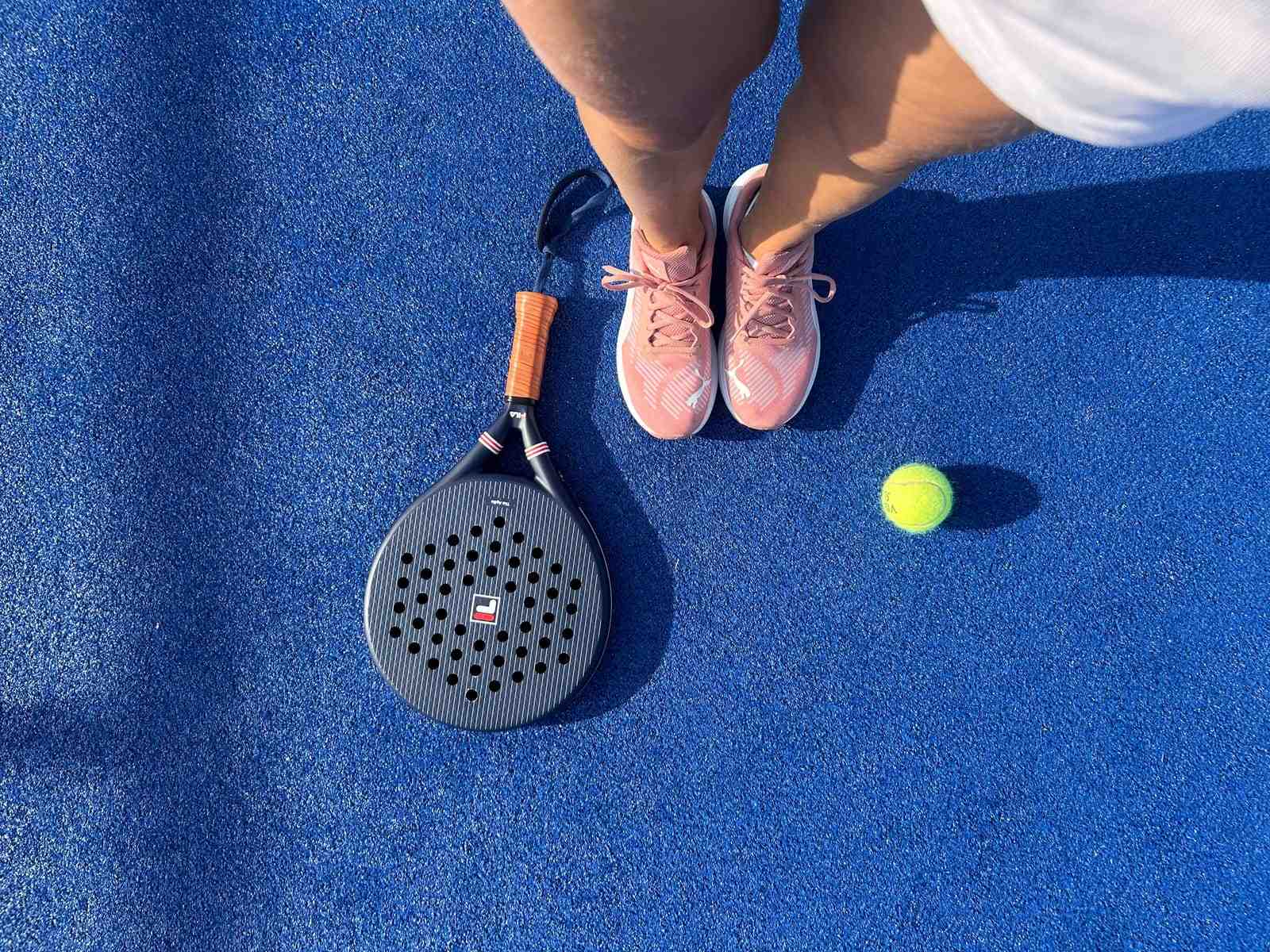
Padel in the USA in 2026: From Niche to America's Fastest-Growing Sport
In 2020, the United States had roughly 50 padel courts spread across a handful of clubs in Florida, New York and a few private venues. By 2026, that number has crossed 700. Player participation has grown from a few thousand committed enthusiasts to more than 200,000 active players. Premier Padel hosts events in Miami that draw tens of thousands of spectators. Celebrity endorsements from Jared Leto, Diplo, and several NFL and NBA players have moved padel from a niche racquet sport into mainstream cultural consciousness. This is the story of how the world's fastest-growing sport finally arrived in America, and what it means for anyone trying to actually book a court.
The numbers behind the boom
The 14x growth in court infrastructure between 2020 and 2026 is striking enough on its own. But the scale of demand growth is even more dramatic.
Court infrastructure: 50 courts in 2020 → 200 in 2023 → 450 in 2024 → 700+ in 2026. Florida and New York account for roughly half of that total, with California, Texas, and the Mid-Atlantic states making up most of the remainder.
Player participation: a few thousand serious players in 2020 → 50,000+ in 2023 → 100,000+ in 2024 → 200,000+ active players in 2026. Miami metro alone has more than 80,000 active players, NYC metro around 40,000-50,000.
Investment: more than $400M in private capital has flowed into US padel infrastructure since 2022, with major chains (Padel Haus, Reserve Padel, Padel Up, Wynwood Padel) opening multi-venue networks across major markets.
Pricing: court hour pricing has trended upward as demand outpaces supply. NYC and LA Westside venues now charge $80-150 per court hour, which split among four players still beats most private fitness costs but represents a clear premium over global padel benchmarks.
For perspective, Spain has 20,000+ padel courts for 5 million players. The US has 700 courts for 200,000 players, a similar courts-per-player ratio, but with American pricing and demographics that produce different dynamics.
Why padel took so long to arrive in the US
The delay between European and US padel adoption deserves explanation. Three structural reasons:
Pickleball captured the racquet sport upgrade demographic first. From 2018-2022, pickleball's explosive American growth absorbed most of the casual racquet sport investment. Pickleball requires only basic court conversions (tennis or basketball courts can host pickleball), making it dramatically cheaper to deploy than padel. By the time padel investors arrived, pickleball had already established the "alternative racquet sport" cultural slot in many communities.
Padel infrastructure costs are real. A purpose-built padel court costs $60,000-100,000 to construct, and the courts can't easily be repurposed for other sports. This high capital barrier slowed deployment compared to pickleball or even tennis. Only when private equity recognized the European padel boom as proof-of-concept did serious US capital commit.
Cultural momentum needed Premier Padel and celebrity validation. Padel needed visible, aspirational signals to break through American sports culture. Premier Padel staging events in Miami starting in 2022, Jared Leto and other A-list actors publicly endorsing the sport, several NBA and NFL players adopting padel as cross-training: these signals collectively pushed padel from "European curiosity" to "the next status sport."
By 2024, all three factors had aligned: pickleball saturation freed up the alternative-sport mindshare, capital flowed in, and cultural momentum took over.
Where Americans are playing padel in 2026
US padel adoption is geographically concentrated. Five metros dominate.
Miami: the US padel capital
Miami metro hosts more than 50 padel venues across Miami-Dade and Broward counties, the highest US concentration. Drivers: large Latin American populations (Argentine, Colombian, Spanish, Venezuelan), established tennis culture ready to convert, year-round outdoor weather (with afternoon-summer caveats), and Premier Padel hosting events that drive sustained media attention.
Pricing: $60-120/court/hour, with Miami Beach and Brickell at the premium end and Doral, Aventura, Hialeah more accessible.
For full venue details, see Miami padel guide.
New York City: the second-largest market
NYC went from near-zero in 2022 to 30+ venues in 2026. Concentration in Brooklyn (Williamsburg, Greenpoint), Manhattan, and Long Island City. The NYC scene is the most expensive in the US ($80-150/court/hour) due to real estate costs, but the cultural momentum is strong. Corporate professionals, finance and tech crowds, fashion and media industries have all adopted padel as social currency.
For full venue details, see NYC padel guide.
Los Angeles: Westside premium
LA's padel scene is geographically concentrated on the Westside (Beverly Hills, Santa Monica, West Hollywood, Pacific Palisades) with about 20-25 venues across the metro. Celebrity-driven adoption from the entertainment industry has built a high-end clientele willing to pay $90-140 per court hour at premium venues. Outdoor courts under California sun differentiate the LA experience from NYC and Miami.
For full venue details, see Los Angeles padel guide.
Texas: Houston, Dallas, Austin
Texas padel has grown rapidly since 2023, with Houston leading on venue count, followed by Dallas-Fort Worth and Austin. Mexican and Latin American influence drives much of the demand. Pricing is more accessible than coastal cities ($50-90/court/hour). Suburb venues outside Houston and Dallas are particularly active.
The Mid-Atlantic and beyond
Washington DC, Boston, Philadelphia, and the San Francisco Bay Area all have growing padel scenes with 5-15 venues each in 2026. These markets are following the standard adoption curve: initial enthusiast clubs, then commercial chains, then suburban expansion.
The booking problem in US padel
US padel inherits the structural problem of every fast-growing padel market: demand outpaces supply, prime-time slots saturate, and manual booking becomes a frustrating lottery.
Concretely, in 2026:
- NYC Manhattan and Brooklyn: weekday evening slots (6pm-9pm) at premier venues fill within 1-3 minutes of the Playtomic booking window opening
- Miami Beach and Brickell: Saturday and Sunday morning slots (8am-12pm) saturate within minutes
- LA Westside (Beverly Hills, Santa Monica): weekday evenings and weekend mornings at the top venues are gone in 60-180 seconds
- Houston, Dallas premium venues: similar dynamic at the most demanded clubs
The math is brutal. A user who manually navigates to Playtomic, finds the right club, selects the right court, and clicks "Book" takes 3-8 seconds. Multiple users doing the same thing simultaneously create a server-side race that's effectively random for manual users, and consistently won by users running booking automation.
Try Padel Snipe for free
Set up your first alert in 2 minutes. No credit card required.
Get started for free →How automated booking changes the equation
Padel Snipe operates as a Playtomic booking bot specifically designed for the US market in 2026. The mechanic is simple: you authenticate once with your Playtomic credentials, configure your preferred club and time slot, and Padel Snipe monitors the booking window opening for that club. When the window opens, the bot fires the booking request faster than any manual user can possibly react.
For a Padel Haus Williamsburg slot Tuesday at 7pm, that's the difference between catching the court and losing it. For Reserve Padel Miami Beach Saturday at 9am, same dynamic. For Padel Up Beverly Hills Saturday at 10am, same again.
Setup takes about 2 minutes. The system handles authentication, payment, confirmation. You receive a notification (push, email, or Telegram) when the booking confirms, and you show up to play.
This isn't theoretical. Padel Snipe has been operating in Europe since 2024 and serves thousands of users across the major padel markets. The US expansion in 2026 is straightforward: the same Playtomic API, the same booking mechanics, just different time zones and different clubs.
What's next for US padel through 2030
Industry projections suggest the US will reach 2,500-3,500 padel courts by 2030, driven by continued private investment, public facility conversions, and demographic adoption. Several specific trends will shape that growth:
Suburban expansion: city-center venues are saturated and expensive. The next wave of US padel growth will be in suburbs of Miami, NYC, LA, Houston, and Dallas where land is cheaper and demand is rising.
College and university adoption: a handful of US universities have started building padel courts. Expect this to accelerate as the sport gains visibility and as international students from Spain, Argentina, and Mexico bring familiarity to American campuses.
Conversion of underutilized tennis facilities: many private clubs have excess tennis capacity. Conversions to padel offer better revenue per square foot and broader player appeal. Expect this to be a significant driver of supply growth.
Pricing pressure to stay high: until supply catches up with demand (likely 2028-2030), pricing in major US markets will remain at the global high end. Premium venues will continue to charge $100+ per court hour. Suburban and accessible venues will offer better value but may still trend higher than European norms.
Tournaments and league formation: the formation of regional and national amateur leagues, USA Padel Federation activity, and Premier Padel continuing to host events in Miami will all sustain cultural momentum and player conversion.
Bottom line
US padel in 2026 is no longer a niche curiosity. It's the fastest-growing sport in America by infrastructure investment and percentage participation growth. Five metros dominate (Miami, NYC, LA, Houston, Dallas), with strong secondary markets in DC, Boston, Bay Area, Austin. Pricing is the global premium, supply lags demand at major venues, and the booking experience increasingly rewards automation.
If you're a padel player in the US, the practical advice is simple: identify the 2-3 venues that work for your schedule and location, install Playtomic, and consider Padel Snipe for the prime-time slots that disappear in seconds. The sport will keep growing, the courts will keep filling, and the difference between playing your preferred slot and watching someone else play it will keep coming down to seconds.
External sources: USA Padel Federation, Premier Padel official site, Playtomic platform.
Ready to automate your bookings?
Set up your first alert in 2 minutes. Free to start.
Get started for free →